
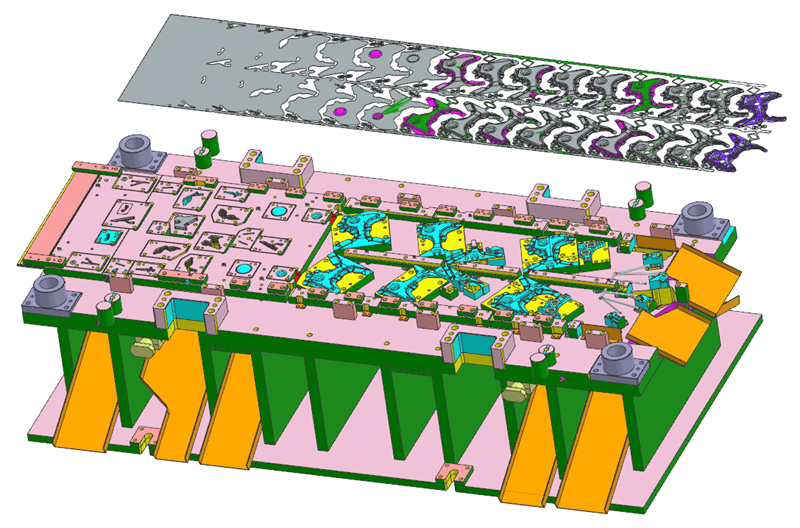
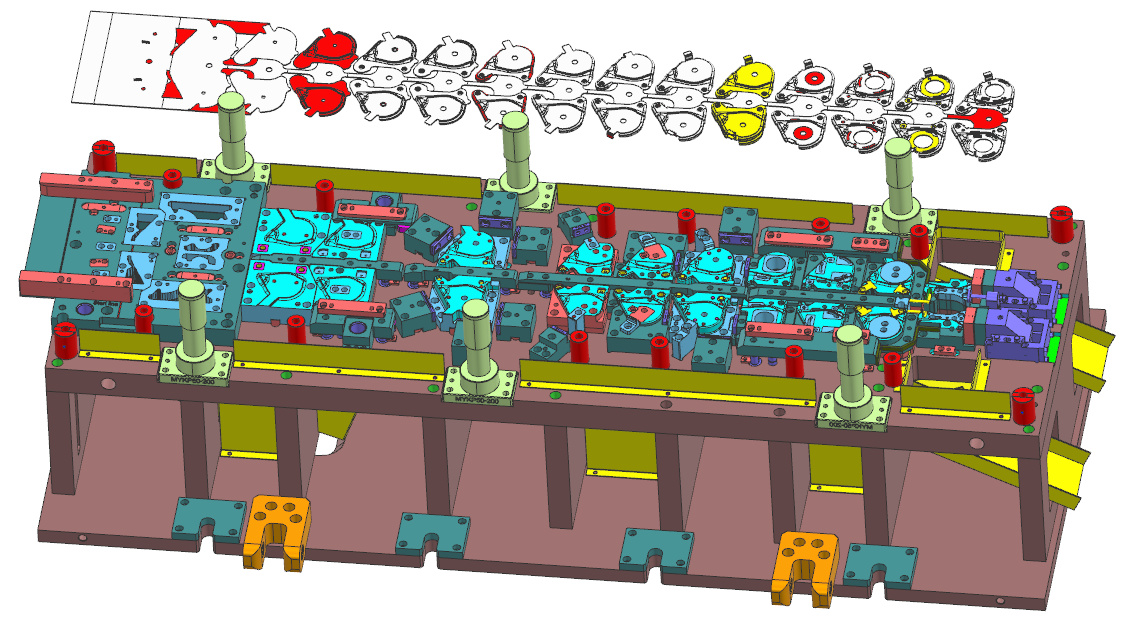
Die Design Engineer
Tooling design engineers must have an extensive knowledge of engineering principles and practices. They use this knowledge to design tooling that will effectively produce the desired product while being cost-effective and efficient.
Tooling Design Engineer Job Duties
Tooling Design Engineer Job Duties A tooling design engineer typically has a wide range of responsibilities, which can include: • Monitoring production processes to ensure that quality standards are met • Ensuring that products meet functional requirements by designing tooling with required features. • Working with customers to determine needs and requirements, such as material specifications, product details, and production schedules • Creating computer models of products that can be used to produce tooling for casting metals or plastics • Designing tooling that can produce a high volume of products while minimizing material usage and production times • Reviewing blueprints, drawings, or other design specifications to determine how to translate them into tooling • Conductivity Analyzing materials to determine their suitability for tooling construction, such as porosity, thermal, polish ability, toughness, hardness, … etc. • Determining the type of material needed to create the tooling and calculating its size and shape • Designing tooling using CAD (like SIEMENS NX, CREO, CATIA, … etc.). Tooling Design Engineer Salary & Outlook Tooling design engineers’ salaries vary depending on their level of education, years of experience, and the size and industry of the company. They may also earn additional compensation in the form of bonuses. • Median Annual Salary: $85,000 ($40.87/hour) • Top 10% Annual Salary: $125,000 ($60.1/hour) The employment of tooling design engineers is expected to grow slower than average over the next decade. Demand for new types of products, such as medical devices and consumer electronics, should support employment growth in some industries. However, automation will limit the number of jobs for tooling design engineers in some industries.
Blog Left Side
Themes and styles also help keep your document coordinated. When you click Design and choose a new Theme, the pictures, charts, and SmartArt graphics change to match your new theme. When you apply styles, your headings change to match the new theme. To make your document look professionally produced, Word provides header, footer, cover page, and text box designs that complement each other. For example, you can add a matching cover page, header, and sidebar. Click Insert and then choose the elements you want from the different galleries. Save time in Word with new buttons that show up where you need them.Video provides a powerful way to help you prove your point. When you click Online Video, you can paste in the embed code for the video you want to add. You can also type a keyword to search online for the video that best fits your document. Themes and styles also help keep your document coordinated. When you click Design and choose a new Theme, the pictures, charts, and SmartArt graphics change to match your new theme. When you apply styles, your headings change to match the new theme.
Blog Right Side
The latest news Breaking news MIRJAM NILSSON Video provides a powerful way to help you prove your point. When you click Online Video, you can paste in the embed code for the video you want to add. You can also type a keyword to search online for the video that best fits your document. Themes and styles also help keep your document coordinated. When you click Design and choose a new Theme, the pictures, charts, and SmartArt graphics change to match your new theme.

- Check the part design
- Check the feeding system design
- check the cooling system design
- check the air venting system deign
- check the ejection system design
Tooling Design Engineer Job Requirements A tooling design engineer typically needs to have the following qualifications: Education: A tooling design engineer needs a bachelor’s degree in engineering, such as mechanical engineering or industrial engineering. Courses in these programs include mathematics, physics, chemistry, and engineering. Training & Experience: Most of a tooling design engineer’s training will take place while they are in school. Students will learn the basics of tooling design and engineering while completing internships. They will also learn how to use the software and computer programs they will need to complete their work.
Comments(2)
Sign in to leave a comment.
- HHamdy Kamaleldeen18 Apr 2026
Great!
- aadmin admin5 Apr 2026
Excellent!