
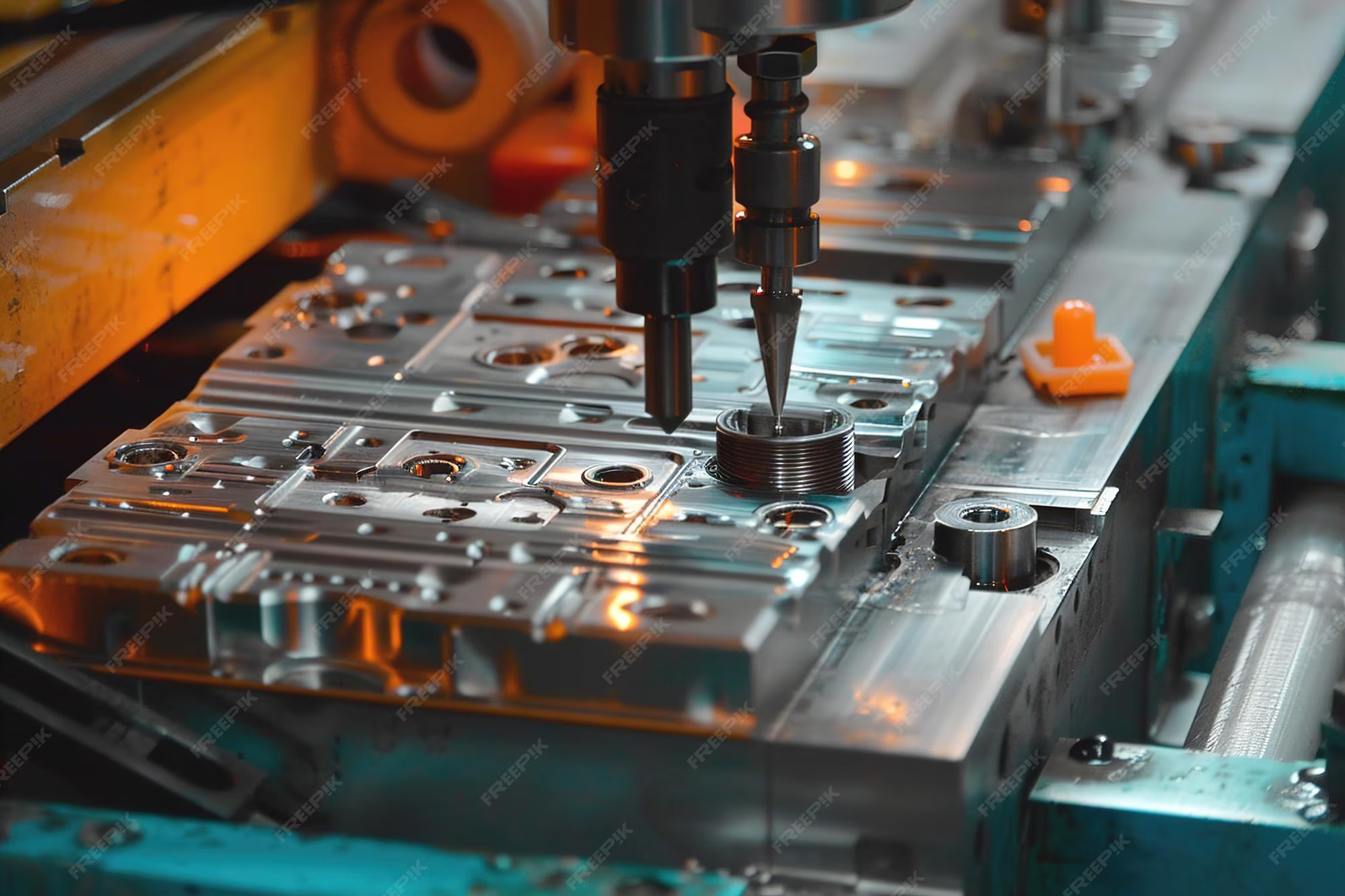
Tooling Workshop Engineer
A tooling manufacturing engineer (specializing in molds and dies) occupies a critical bridge between design and production. They are responsible for transforming complex 3D CAD models into physical steel or aluminum tools capable of producing thousands—or millions—of identical parts. Their role is a blend of precision engineering, material science, and project management.
1. Design Review and Manufacturability (DFM)
2. Tooling Design and Architecture
Design and Technical Planning Before any metal is cut, the engineer must translate a product's needs into a functional tool.
Fabrication and Assembly Once the design is finalized, the engineer oversees the actual construction of the tool.
- Draft Analysis: Ensuring the part has enough taper (draft) to be ejected from the mold without damage.
- Parting Line Determination: Deciding where the mold halves will meet to minimize visible lines on the final product.
- Simulation: Using software (like Moldflow) to predict how plastic or metal will flow into the cavity, identifying potential "short shots" or air traps.
- Gating and Runner Systems: Designing the "plumbing" that delivers molten material to the cavities.
- Cooling Systems: Engineering intricate water channels to ensure the tool maintains a stable temperature, which is vital for part quality and cycle time.
- Ejection Systems: Designing the mechanical pins or plates that push the finished part out of the tool.
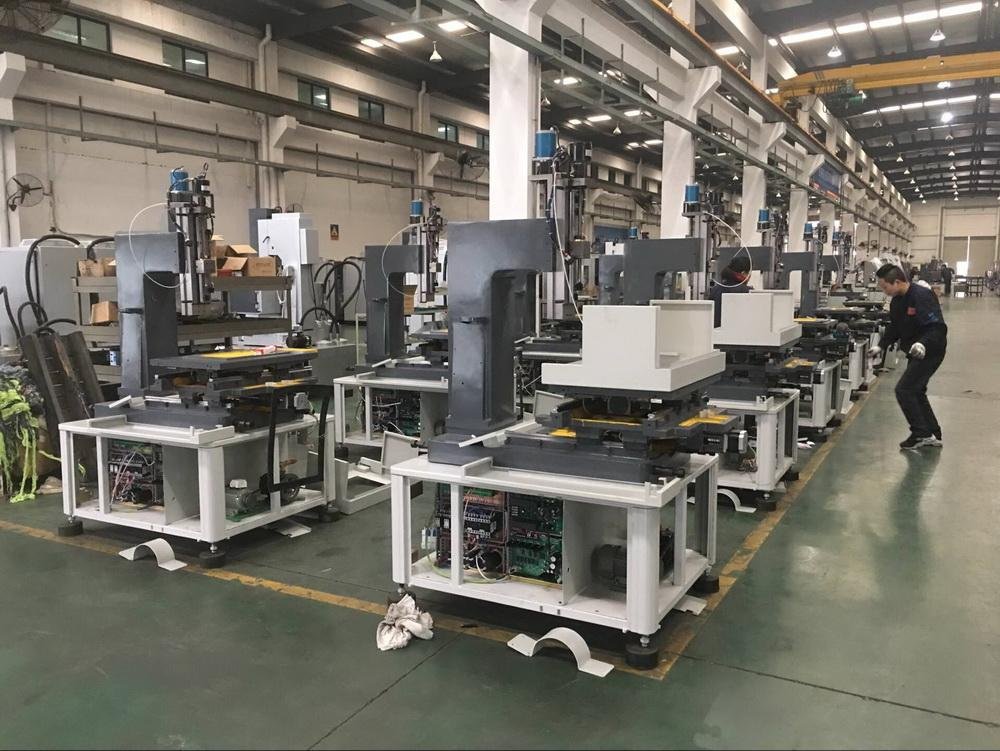
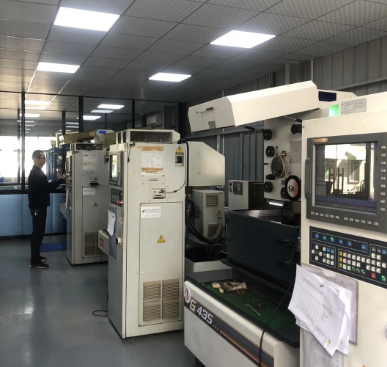
3. Manufacturing Process Planning The engineer determines the most efficient sequence of operations to create the tool components.
Comments
Sign in to leave a comment.
No comments yet. Be the first!